
In the modern age of technology and creativity, the boundaries between traditional craftsmanship and high-tech innovation are increasingly blurred. From the precision of industrial machinery to the delicate beauty of home-grown ecosystems, there is a growing fascination with tools and techniques that empower both professionals and hobbyists alike. Whether it’s designing intricate mechanical systems, building a miniature garden ecosystem, or testing complex electrical components, understanding the tools and methods behind these processes can transform the way we approach our projects.
In this article, we will explore four distinct yet equally fascinating topics: CNC controllers, DIY orchidariums, flat cable cutters, and slip ring tests. Each section will answer key questions about these subjects, offering insights into their functionality, practical applications, and the best ways to utilize them. By delving into these areas, readers will gain a comprehensive view of how precision, creativity, and technical knowledge intersect, opening doors to innovation and skill development.
What are CNC controllers and why are they essential for precision machining?
CNC controllers, short for Computer Numerical Control controllers, are the brains behind modern automated machinery. They translate digital designs into precise mechanical movements, ensuring that every cut, drill, or engraving is executed with exact accuracy. At their core, CNC controllers interpret code—usually G-code or M-code—that dictates the motion of machine components along multiple axes. Without a CNC controller, even the most advanced machine tools would be limited by human error and manual operation, resulting in inconsistencies and inefficiencies. These controllers are essential not only in industrial settings but also for hobbyists and small-scale manufacturers who aim for high precision in their projects.
A key feature of CNC controllers is their ability to manage multiple axes simultaneously. For instance, a three-axis CNC router can move in X, Y, and Z directions, while more advanced machines can incorporate additional axes for complex operations. The controller ensures smooth coordination between the spindle, motors, and other mechanical parts, allowing intricate designs to be executed flawlessly. Modern CNC controllers often come with user-friendly interfaces, enabling operators to simulate operations before physically running the machine. This reduces material waste and minimizes the risk of errors. Many controllers also integrate with software platforms for design, enabling seamless transitions from CAD models to physical products.
Beyond industrial applications, CNC controllers have made their way into DIY and small-scale projects. Hobbyists increasingly rely on CNC controllers to create custom furniture, signage, or even artistic pieces. The accessibility of affordable controllers has democratized precision machining, allowing enthusiasts to experiment with complex shapes and patterns that would be nearly impossible by hand. In addition, CNC controllers are compatible with a variety of machine types, including routers, mills, lathes, and 3D printers, which broadens their utility across different disciplines.
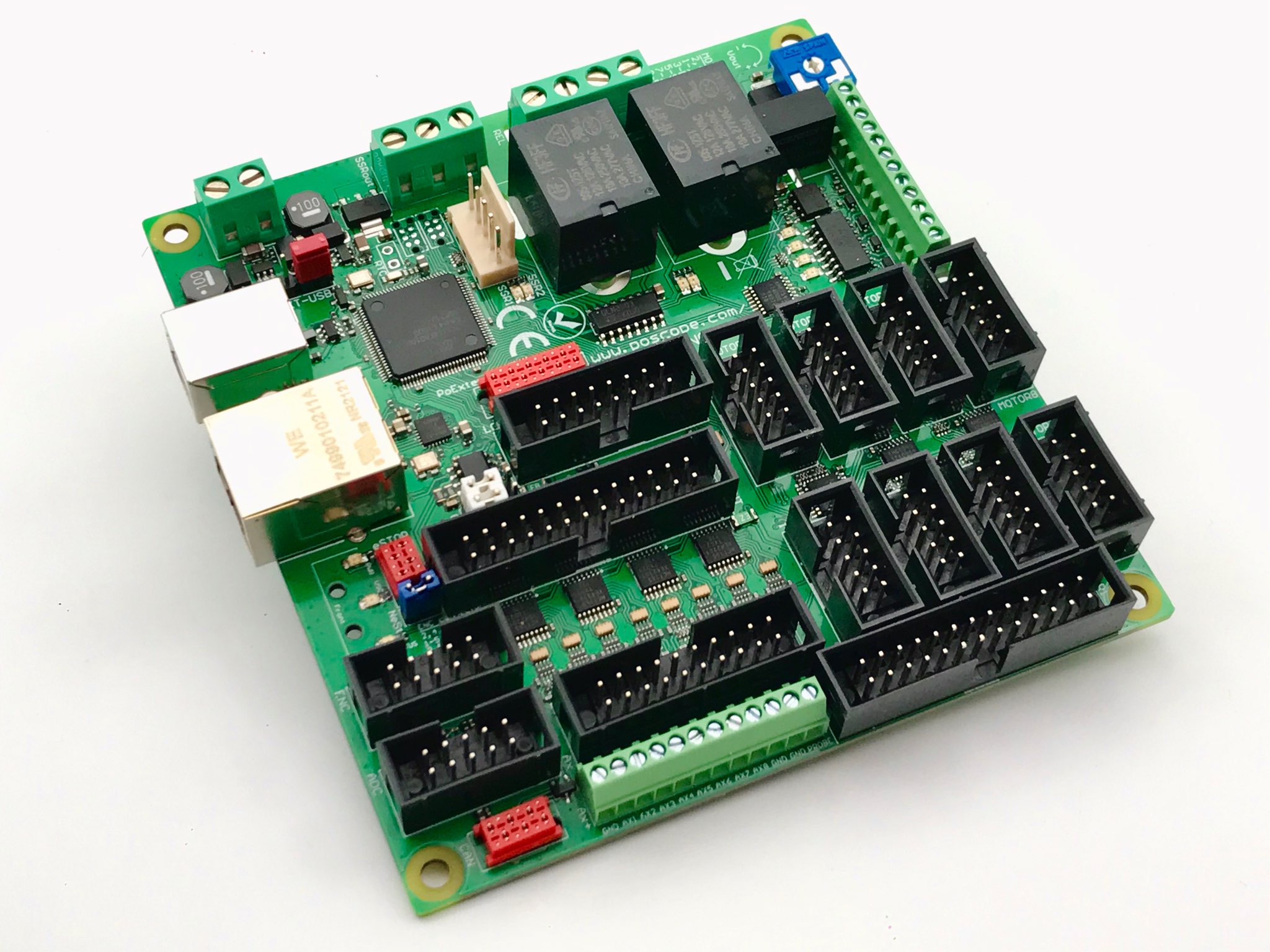
Maintenance and calibration of CNC controllers are crucial for optimal performance. Properly tuned controllers ensure consistent accuracy and longevity of the machinery. Users often monitor parameters such as stepper motor performance, response time, and feedback loops to maintain efficiency. In some cases, CNC controllers are paired with sensors and feedback systems that automatically adjust operations in real-time, further enhancing precision. As technology advances, CNC controllers continue to evolve, integrating features like touchscreen interfaces, wireless connectivity, and AI-assisted optimization.
In summary, CNC controllers are indispensable for anyone seeking precision and consistency in machining. Their ability to translate digital designs into highly accurate mechanical motion revolutionizes production, whether in large factories or small workshops. By mastering the use of CNC controllers, operators can unlock a new level of creativity and efficiency, pushing the boundaries of what is possible in modern manufacturing. The widespread adoption of CNC controllers underscores their importance as a foundational tool for both professional and hobbyist applications, making them a cornerstone of modern engineering and design.
How can you create a DIY orchidarium at home, and what are the key considerations?
A DIY orchidarium is a miniature ecosystem designed to nurture orchids in a controlled environment, blending the art of gardening with the science of horticulture. Building an orchidarium at home allows enthusiasts to cultivate delicate orchids while experimenting with humidity, light, and air circulation. The process begins with selecting the right container. Glass terrariums are a popular choice because they offer transparency, allowing light to penetrate while maintaining humidity levels. The container must be carefully cleaned and sterilized to prevent mold or fungal growth, which can easily compromise the health of orchids in such a confined space.
Once the container is ready, creating a proper substrate is essential. Orchids typically require a well-draining medium that mimics their natural habitat, such as a mixture of bark, sphagnum moss, and perlite. This ensures that the roots receive adequate air circulation while retaining the moisture necessary for growth. In a DIY orchidarium, layering the substrate properly is crucial: placing drainage material at the bottom, followed by activated charcoal to prevent odor and bacterial growth, and finishing with the orchid-specific medium. The careful assembly of these layers reflects how even a small DIY orchidarium relies on understanding plant physiology and ecosystem balance.
Light and humidity management are central to the success of a DIY orchidarium. Orchids thrive in environments that replicate tropical conditions, requiring bright but indirect light and high humidity levels. Many DIY enthusiasts install LED grow lights or position the orchidarium near natural light sources while monitoring for overheating. Maintaining humidity often involves misting, installing a small water reservoir, or even using a miniature humidifier. Air circulation is also critical to prevent stagnation, which can lead to fungal infections. This careful control of environmental factors transforms a simple glass container into a thriving habitat for orchids.
Beyond technical considerations, a DIY orchidarium offers a creative outlet. Hobbyists can arrange orchids alongside mosses, ferns, and decorative stones to create visually stunning displays. Each orchidarium becomes a personal work of living art, reflecting both botanical knowledge and aesthetic sensibilities. Moreover, observing orchids in such a controlled setting provides valuable insight into plant behavior, such as growth patterns, flowering cycles, and root development. Over time, enthusiasts often experiment with different orchid species, adjusting humidity, substrate, and lighting to see which combinations yield the best results.
In essence, a DIY orchidarium is more than a decorative project—it is an educational and rewarding experience that combines gardening, science, and design. By carefully managing substrate, light, and humidity, anyone can create a miniature orchid ecosystem that flourishes indoors. For plant lovers, a DIY orchidarium not only brings beauty and serenity to a home but also cultivates a deeper understanding of horticulture and the delicate balance of nature.
What are flat cable cutters and how are they used for precise electrical work?
Flat cable cutters are specialized tools designed to handle flat ribbon cables, a type of electrical cable widely used in electronics, computing, and telecommunications. Unlike traditional round cables, flat cables contain multiple conductors arranged side by side in a thin, ribbon-like form. This unique structure requires precise cutting to avoid damaging the individual wires or causing short circuits. Flat cable cutters are engineered with sharp, aligned blades that ensure a clean cut through all conductors simultaneously, maintaining the integrity of the cable and making them an essential tool for professionals and hobbyists alike.
The design of flat cable cutters focuses on precision and ergonomics. The blades are typically hardened steel, angled to slice through multiple strands evenly without fraying or deforming the cable. Handles are often insulated and cushioned, providing comfort and safety during repetitive tasks. Using flat cable cutters properly requires attention to alignment: the cable must sit flush against the blades to ensure a straight, even cut. Many technicians rely on flat cable cutters when assembling computer systems, wiring control panels, or preparing ribbon cables for connectors. Their ability to produce consistent, reliable cuts reduces errors and increases efficiency, especially in projects where dozens of cables need to be trimmed to exact lengths.
Flat cable cutters are also valued for their versatility. While they are primarily used for ribbon cables, many models can handle other types of flat conductors or multi-core cables. This makes them a practical addition to an electronics toolkit, as they streamline the preparation process for complex wiring tasks. Additionally, in environments where automated machines or robotics require precise cable lengths, flat cable cutters are sometimes integrated into assembly stations, further highlighting their importance in both manual and industrial applications.
Safety and maintenance are crucial when using flat cable cutters. Dull blades can crush or fray wires instead of cutting them cleanly, compromising electrical connections and leading to potential failures. Regular sharpening and careful cleaning prevent buildup of adhesive or insulation residue, ensuring consistent performance. Proper storage is equally important to protect the alignment of the blades and extend the tool’s lifespan. Professionals often pair flat cable cutters with testing equipment to verify the integrity of the cables after cutting, providing a double layer of quality assurance.
In summary, flat cable cutters are indispensable tools for anyone working with ribbon cables or similar multi-conductor flat cables. Their precision, durability, and ergonomic design make them essential for both small-scale DIY electronics projects and large industrial applications. By using flat cable cutters correctly, technicians can achieve clean, reliable cuts, maintain the performance of electrical systems, and save time during cable preparation. Whether in a professional workshop or a home electronics lab, flat cable cutters are a small tool with a significant impact on efficiency and quality.
What is a slip ring test, and why is it important in electrical and mechanical systems?
A slip ring test is a diagnostic procedure used to evaluate the performance and reliability of slip rings, which are rotary electrical connectors that allow the transmission of power and signals between stationary and rotating components. Slip rings are commonly found in motors, wind turbines, radar systems, and various industrial machinery. Because they operate under continuous motion, slip rings are subject to wear, corrosion, and electrical noise, making regular testing essential to ensure consistent operation. Conducting a slip ring test helps identify faults before they escalate, preventing downtime and costly repairs in critical systems.
The primary goal of a slip ring test is to measure the electrical continuity, resistance, and insulation quality of the rings and brushes. During the test, specialized equipment monitors the current flow and checks for irregularities, such as intermittent connections or excessive resistance. These irregularities can indicate worn brushes, dirty contact surfaces, or damage to the ring itself. In addition to basic continuity testing, advanced slip ring tests may include evaluating signal integrity, detecting voltage drops, and measuring the effect of rotational speed on electrical performance. By identifying weaknesses early, operators can schedule maintenance or replacements, extending the lifespan of the equipment and improving operational safety.
Slip ring tests are performed in both laboratory and field environments. In a laboratory setting, slip rings can be tested on a bench with controlled conditions, allowing precise measurement and calibration. Field tests, on the other hand, are conducted on installed machinery, requiring portable testing equipment and careful handling to ensure accurate results without interrupting operations. Regardless of the environment, a thorough slip ring test involves inspecting mechanical alignment, brush pressure, and the cleanliness of contact surfaces, as these factors directly impact electrical performance. Technicians often combine visual inspections with electrical measurements to obtain a comprehensive assessment.
The importance of slip ring testing extends beyond preventive maintenance. In high-performance applications, such as aerospace or renewable energy systems, even minor faults can lead to signal loss, overheating, or catastrophic failure. Regular slip ring tests provide critical data that inform maintenance schedules, design improvements, and operational decisions. Furthermore, with the increasing complexity of modern machinery, automated slip ring test systems are becoming more common, allowing continuous monitoring and early fault detection without human intervention. This integration of testing technology ensures reliability in environments where downtime is not an option.
In conclusion, slip ring tests are essential for maintaining the functionality and safety of rotating electrical systems. By assessing electrical continuity, resistance, and signal quality, these tests identify potential issues before they impact performance. Whether conducted in a lab or on-site, slip ring testing is a vital practice for engineers, technicians, and maintenance personnel, ensuring that equipment operates efficiently and reliably. Regular slip ring tests not only prevent unexpected failures but also extend the life of machinery, underscoring their critical role in modern industrial and technological applications.
Read also:
- The Anatomy of a Reliable CNC Machine: Controllers, Wiring, and Connectors Explained
- From Setup to Safety: A Practical Guide to PoKeys57CNC and Mach3 for CNC Machines
- Unlocking the Power of Data: A Deep Dive into Ethernet I/O Controllers, RC Simulator Interfaces, Raspberry Pi Temperature Loggers, and DAQ Devices
Conclusion
In exploring CNC controllers, DIY orchidariums, flat cable cutters, and slip ring tests, we’ve seen how precision, creativity, and technical knowledge intersect across a wide range of disciplines. CNC controllers exemplify the power of automation and exacting control in manufacturing, transforming digital designs into tangible, precise products. DIY orchidariums, by contrast, showcase the delicate balance of nature and human ingenuity, allowing enthusiasts to cultivate miniature ecosystems while mastering environmental control. Flat cable cutters highlight the importance of specialized tools in achieving accuracy and efficiency in electrical work, ensuring clean, reliable connections. Finally, slip ring tests demonstrate the critical role of diagnostics in maintaining complex rotating systems, preventing failures, and extending equipment lifespan.
Together, these topics reflect a broader theme: whether working with machinery, electronics, or living plants, the combination of proper tools, careful technique, and thoughtful observation can yield remarkable results. Each area emphasizes the value of attention to detail, whether it’s calibrating a CNC controller, layering substrate in an orchidarium, aligning blades on a cable cutter, or monitoring electrical continuity in a slip ring. By understanding the principles behind these tools and methods, both professionals and hobbyists can improve their work, reduce errors, and enhance the quality of their projects.
Ultimately, mastery in any of these fields comes from curiosity, practice, and a willingness to explore the nuances of each process. From the precision of mechanical movements to the subtle care of a living ecosystem, these subjects encourage a deeper appreciation for both technology and creativity. Embracing the lessons of CNC controllers, DIY orchidariums, flat cable cutters, and slip ring tests not only improves technical skills but also fosters innovation, problem-solving, and a sense of accomplishment. In a world increasingly defined by complex systems and interdisciplinary approaches, understanding and applying these tools and techniques can open doors to new possibilities and inspire confidence in tackling even the most challenging projects.