
In the rapidly evolving world of technology and automation, various components play crucial roles in ensuring seamless operations. Among these, the slip ring test, 8 channel relay module, automation control device, and programmable relay stand out as essential elements. These components are integral to modern automated systems, providing the necessary control and flexibility for complex tasks. This article will delve into each of these topics, exploring their functionalities, applications, and importance in contemporary automation systems. By understanding these components, businesses and individuals can better appreciate how automation enhances efficiency and productivity.
Slip Ring Test: Ensuring Reliable Rotational Connections
A slip ring is a crucial component in any system that requires the transmission of electrical signals or power from a stationary structure to a rotating one. To ensure that these connections remain reliable and efficient, a slip ring test is indispensable. This test is designed to evaluate the performance and integrity of slip rings under various operational conditions.
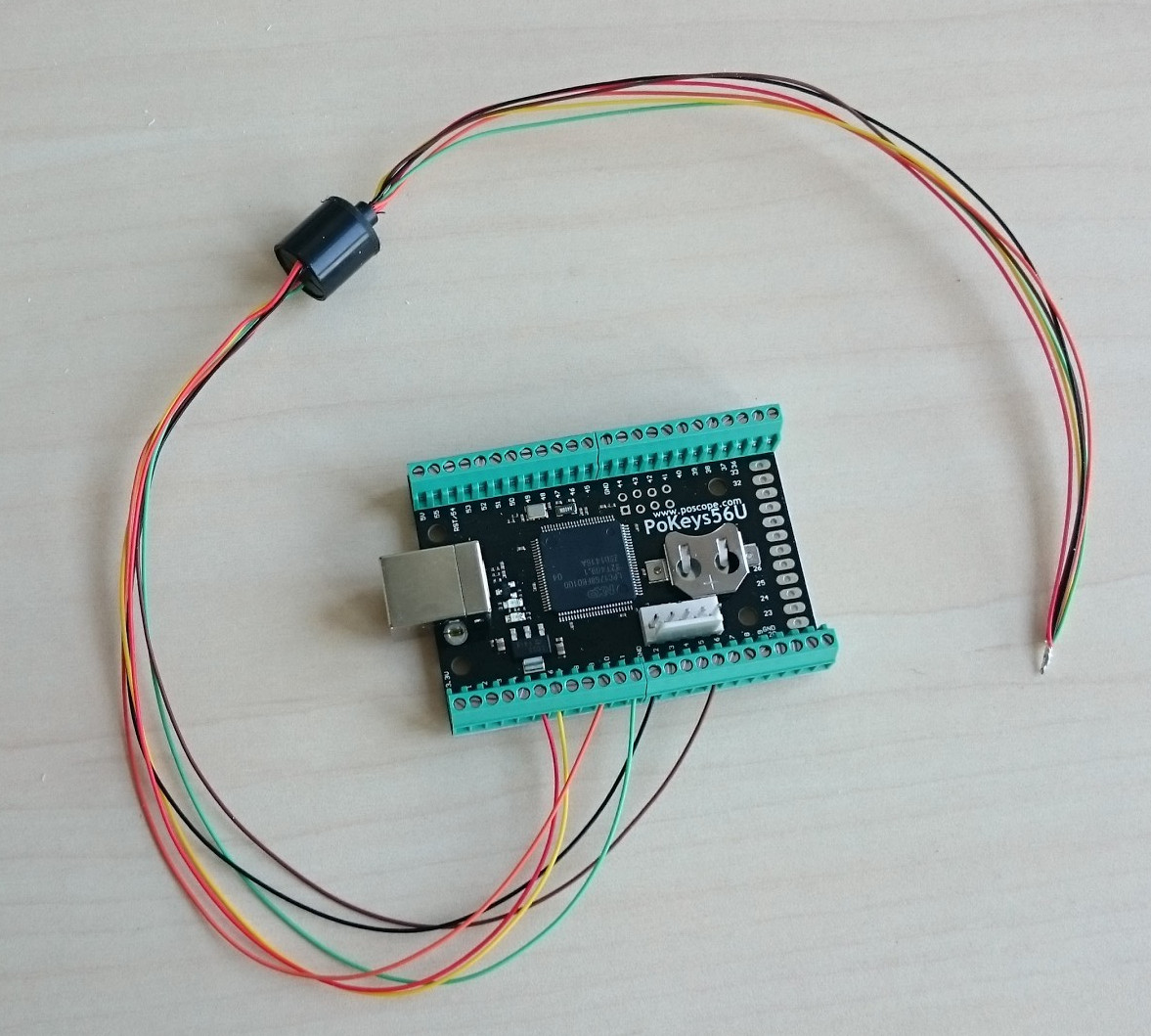
Conducting a slip ring test involves several steps. First, the slip ring is subjected to electrical tests to measure resistance and ensure that there is no significant signal loss or interference. This is essential for applications where precision is paramount, such as in medical imaging equipment or wind turbines. The slip ring test also checks for continuity and insulation resistance, ensuring that the slip ring can maintain its performance over extended periods and under varying environmental conditions.
Mechanical testing is another critical aspect of the slip ring test. This involves evaluating the physical wear and tear on the slip ring, especially the brushes and contact surfaces. During rotation, these parts experience friction, which can lead to wear. The slip ring test assesses how well the slip ring can withstand this friction without compromising its performance. Additionally, it examines the alignment and balance of the slip ring, which are vital for smooth operation in high-speed applications.
Environmental testing in a slip ring test assesses the slip ring’s ability to operate under different temperatures, humidity levels, and exposure to dust or corrosive elements. This is particularly important for slip rings used in harsh environments, such as offshore drilling rigs or aerospace applications. By simulating these conditions, the slip ring test ensures that the slip ring can function reliably regardless of external factors.
In conclusion, a comprehensive slip ring test is essential for ensuring the reliability and longevity of slip rings in various applications. By evaluating electrical performance, mechanical durability, and environmental resilience, the slip ring test helps in identifying potential issues before they lead to significant failures. This, in turn, guarantees that the slip rings can provide continuous and dependable connections in both industrial and commercial applications.
8 Channel Relay Module: Enhancing Automation Versatility
An 8 channel relay module is a versatile component widely used in automation and control systems. It serves as an intermediary device that enables low-power circuits to control high-power devices, providing flexibility and functionality in various applications. Whether used in industrial automation, home automation, or DIY electronics projects, the 8 channel relay module is indispensable for managing multiple devices simultaneously.
The core function of an 8 channel relay module is to act as an electronic switch. Each of the eight relays on the module can be controlled individually, allowing for precise control over multiple circuits. This capability is particularly useful in complex automation systems where numerous devices need to be managed concurrently. For instance, in a smart home setup, an 8 channel relay module can control lighting, heating, security systems, and other appliances, all from a central control unit.
In industrial settings, the 8 channel relay module plays a crucial role in automating machinery and processes. By interfacing with programmable logic controllers (PLCs) or microcontrollers, the module can control motors, solenoids, and other high-power devices. This not only enhances efficiency but also ensures safety by isolating the control circuits from the high-power devices they manage. The ability to handle different voltage levels and currents makes the 8 channel relay module a versatile tool in various industrial applications.
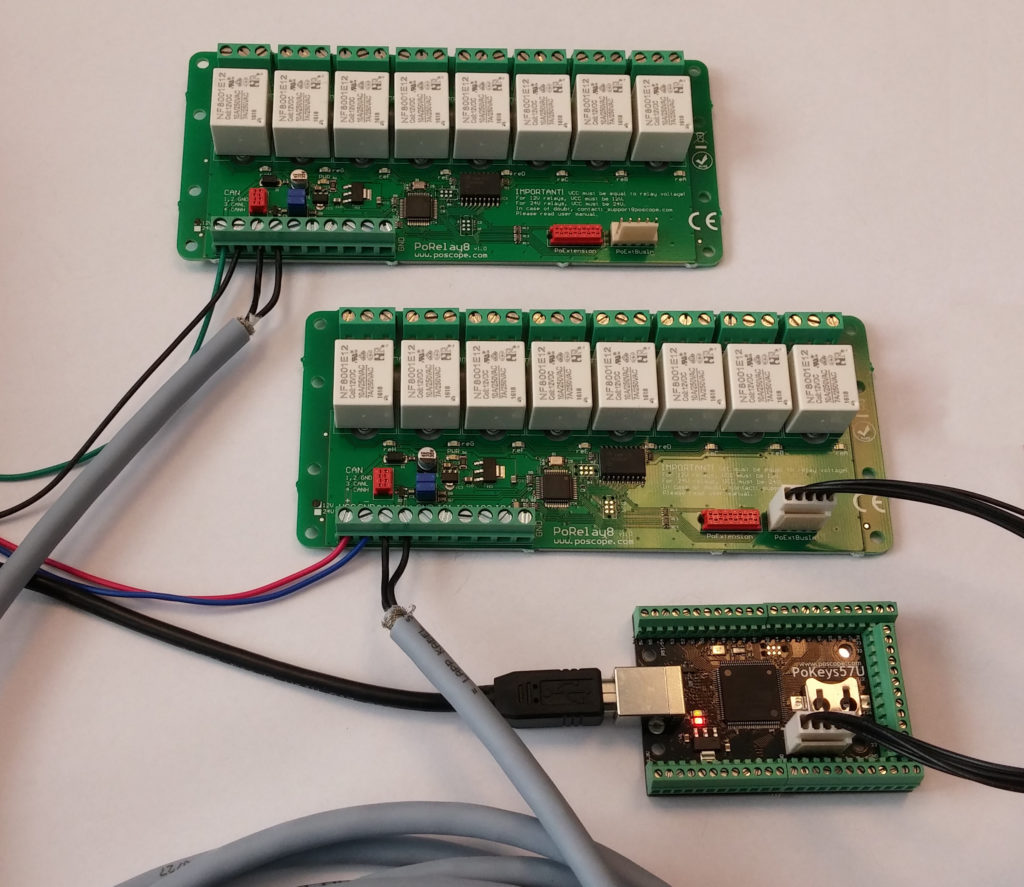
The design of an 8 channel relay module typically includes features that enhance its usability and reliability. For example, it often comes with LED indicators for each relay, providing visual feedback on the relay status. This makes it easier for users to monitor and troubleshoot their systems. Additionally, the module usually has optocouplers, which provide electrical isolation between the control signals and the relays, protecting the sensitive control circuits from potential damage due to voltage spikes or other electrical disturbances.
Installation and integration of an 8 channel relay module are straightforward, making it accessible even for hobbyists and DIY enthusiasts. The module can be easily connected to a microcontroller or PLC using standard input/output pins. Its compact size and modular nature allow it to be incorporated into existing systems with minimal modifications. This flexibility makes it an excellent choice for expanding the capabilities of any automation project.
In summary, the 8 channel relay module is a powerful and versatile component that significantly enhances the capabilities of automation and control systems. By enabling precise control over multiple high-power devices, it contributes to increased efficiency, safety, and functionality in various applications. Whether in industrial automation or home automation projects, the 8 channel relay module is a vital tool for managing complex systems with ease.
Automation Control Device: The Brain of Automated Systems
In the realm of automation, the automation control device stands as the central hub that orchestrates and regulates the functioning of various components and processes. Often referred to as the “brain” of automated systems, these devices are crucial for managing and optimizing operations in industries ranging from manufacturing to home automation. Understanding the role and capabilities of an automation control device is key to appreciating its impact on modern technology.
An automation control device typically includes programmable logic controllers (PLCs), human-machine interfaces (HMIs), and other control units. These devices are designed to receive inputs from sensors, process this information, and then execute commands to actuate machinery, control lighting, adjust temperatures, and more. The primary function of an automation control device is to ensure that all parts of the system work in harmony, following pre-defined sequences and responding to real-time data.
The versatility of an automation control device allows it to be used in various applications. In industrial automation, PLCs are employed to control production lines, manage robotic arms, and oversee quality control processes. The automation control device can handle complex logic operations and timing functions, making it indispensable for tasks that require precision and consistency. For instance, in a car manufacturing plant, an automation control device ensures that each step of the assembly line is perfectly synchronized, reducing errors and increasing efficiency.
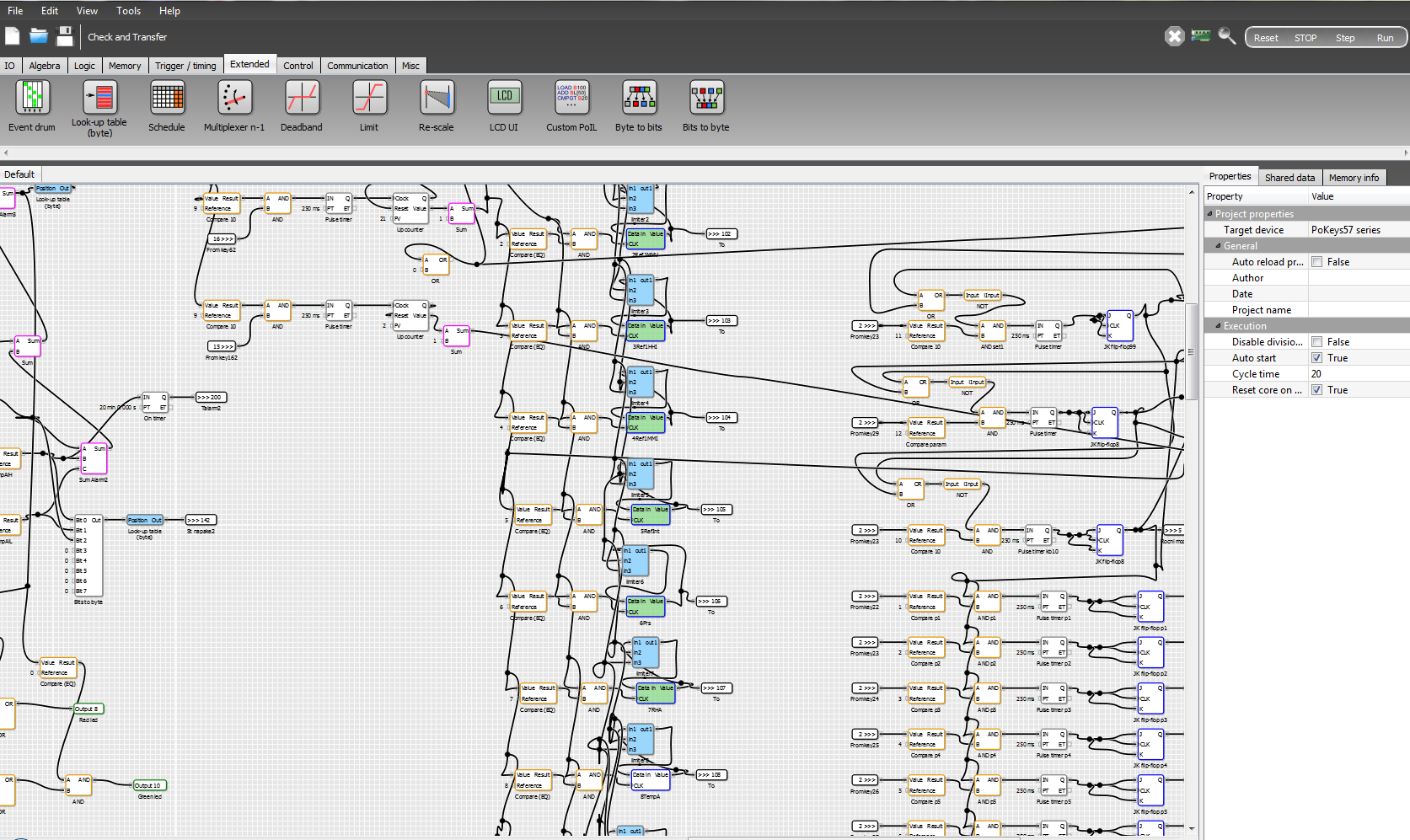
In home automation, the automation control device takes on a slightly different role but remains equally important. It can integrate with smart home systems to control lighting, heating, security cameras, and appliances. By connecting to the internet, these devices can be controlled remotely via smartphones or computers, providing users with convenience and control over their home environment from anywhere in the world. The automation control device can also incorporate voice commands through virtual assistants like Amazon Alexa or Google Home, further enhancing user interaction.
Security is another critical aspect of an automation control device. These devices often include robust safety protocols to prevent unauthorized access and ensure that operations run smoothly. In industrial settings, this might involve emergency shutoff systems or fail-safes that activate in the event of a malfunction. In home automation, encryption and secure communication channels protect against cyber threats, ensuring that the system remains reliable and secure.
Furthermore, the programmability of automation control devices allows for extensive customization. Users can create specific sequences and conditions tailored to their unique needs. For example, in an industrial setting, an automation control device can be programmed to adjust machine operations based on the quality of materials being processed. In a smart home, it can be set to adjust lighting and temperature based on the time of day and occupancy patterns.
In conclusion, the automation control device is a cornerstone of modern automated systems, providing the intelligence and control necessary to manage complex operations efficiently and securely. By integrating various components and processes, it enhances productivity, safety, and convenience across a wide range of applications. Whether in industrial automation or smart home systems, the automation control device exemplifies the power of technology in optimizing and simplifying our world.
Programmable Relay: Customizing Control for Specific Needs
In the landscape of automation and control systems, the programmable relay is a powerful tool that offers unmatched flexibility and customization. Unlike traditional relays, programmable relays are designed to be configured and reconfigured according to specific operational requirements. This ability to adapt to diverse needs makes the programmable relay a critical component in both industrial and residential automation solutions.
A programmable relay operates similarly to a standard relay but includes an onboard microcontroller that allows for programming complex control logic. This feature enables users to define specific conditions and actions, creating a highly tailored control system. For example, a programmable relay can be set to turn on a pump only when a certain temperature is reached and simultaneously shut off another device, ensuring optimal resource management.
One of the key advantages of a programmable relay is its ease of programming. These devices often come with user-friendly software interfaces that allow for drag-and-drop programming or simple coding, making them accessible even to those with limited technical expertise. This ease of use is particularly beneficial in small and medium-sized enterprises (SMEs) that may not have dedicated technical staff but still require sophisticated automation solutions.

In industrial settings, programmable relays are used to automate a wide range of processes. They can control machinery, manage energy consumption, and ensure safety protocols are followed. For instance, in a manufacturing plant, a programmable relay can be programmed to monitor and control conveyor belts, robotic arms, and other equipment. By doing so, it ensures that operations run smoothly and efficiently, reducing downtime and maintenance costs.
Programmable relays are also valuable in building automation systems. They can be used to control lighting, heating, ventilation, and air conditioning (HVAC) systems based on predefined schedules or sensor inputs. For example, a programmable relay can be set to adjust the temperature based on occupancy, time of day, or external weather conditions, enhancing energy efficiency and comfort. This level of control is crucial for reducing energy consumption and lowering operational costs in large buildings.
Furthermore, the flexibility of programmable relays makes them ideal for integration with other automation devices and systems. They can communicate with sensors, PLCs, and other control devices, creating a cohesive and responsive automation network. This interoperability is essential for creating smart factories and smart homes where different systems need to work together seamlessly.
Safety and reliability are also significant considerations for programmable relays. These devices are designed to handle a wide range of input and output voltages and are often equipped with features such as overload protection and fail-safe mechanisms. This ensures that they can operate reliably even in challenging environments and protect connected devices from damage.
In summary, the programmable relay is a versatile and powerful component in modern automation systems, offering customizable control solutions for a variety of applications. Its ease of programming, flexibility, and ability to integrate with other devices make it an invaluable tool for optimizing operations and improving efficiency. Whether in industrial automation or building management, programmable relays provide the precise control needed to meet specific operational requirements, demonstrating the immense potential of advanced automation technologies.
Recapping the Essentials of Automation Components
In the ever-evolving field of automation, understanding the key components that drive efficiency and innovation is crucial. This article has explored four essential elements: the slip ring test, the 8 channel relay module, the automation control device, and the programmable relay. Each of these components plays a vital role in modern automated systems, contributing to enhanced performance, reliability, and flexibility.
The slip ring test ensures the integrity and durability of slip rings, which are critical for maintaining reliable electrical connections in rotating systems. By evaluating electrical performance, mechanical wear, and environmental resilience, this test guarantees the long-term functionality of slip rings in diverse applications.
The 8 channel relay module adds versatility to automation projects by allowing control over multiple high-power devices from a single module. Its ability to interface with PLCs and microcontrollers makes it an indispensable tool in both industrial and home automation, providing precise control and enhancing system efficiency.
The automation control device, often considered the brain of automated systems, orchestrates and regulates various components and processes. Whether in industrial settings or smart homes, these devices ensure seamless operations, integrating sensors, actuators, and user interfaces to create cohesive and responsive systems.
Finally, the programmable relay offers unparalleled customization and control. Its user-friendly programming capabilities and adaptability make it a powerful component for both industrial automation and building management. By enabling tailored control solutions, programmable relays enhance operational efficiency and reduce energy consumption.
In conclusion, these components collectively form the backbone of modern automation systems. By leveraging the strengths of slip ring tests, 8 channel relay modules, automation control devices, and programmable relays, businesses and individuals can optimize their automated processes, leading to greater productivity and innovation. Understanding and utilizing these key components will continue to drive advancements in technology, paving the way for smarter and more efficient systems in the future.