
In modern fabrication environments, CNC plasma cutting has evolved into a highly controlled technological process rather than a purely mechanical operation. Achieving reliable performance requires far more than a cutting torch and motion system. Precision electronics, accurate signal conditioning, and dependable measurement capabilities all play critical roles in maintaining consistent arc behavior and predictable machine motion. For operators and integrators seeking dependable equipment, selecting the right electronic components becomes a decisive factor in both productivity and cut quality.
Specialized modules such as PlasmaDiv and PlasmaSensCompact are designed to address key challenges within CNC plasma electronics. These devices condition and interpret arc voltage signals so that control systems can regulate torch height with precision. When integrated properly, they improve system stability and protect sensitive control hardware from the high-voltage environment created by plasma cutting. At the same time, professional-grade measurement instruments ensure that electrical signals, calibration parameters, and system diagnostics remain verifiable throughout the installation and maintenance process.
For organizations looking to build or upgrade plasma cutting systems, the selection of reliable CNC plasma electronics is not merely a technical decision—it is a strategic investment. High-quality signal interfaces, sensing modules, and measurement tools enable more stable operation, longer component lifespan, and consistent cutting results. The following chapters examine several key components that support this objective, explaining their function and demonstrating why they represent valuable additions to modern CNC plasma installations.
What Is PlasmaDiv and Why Is It Essential for CNC Plasma Systems?
PlasmaDiv is a specialized electronic module designed to safely divide and condition the high arc voltage generated during plasma cutting so it can be used by control electronics. In a typical plasma cutting environment, the arc voltage between the torch and the workpiece can reach levels far beyond what CNC controllers or torch height control systems can directly process. PlasmaDiv solves this problem by converting the raw arc voltage into a scaled and stable signal suitable for integration with CNC plasma electronics.
The primary role of PlasmaDiv is voltage division and signal conditioning. During plasma cutting, the arc voltage reflects the distance between the torch and the material surface. Torch height control systems rely on this voltage to maintain a consistent stand-off distance. However, raw plasma voltage can exceed 300 volts and contains significant electrical noise. PlasmaDiv reduces this voltage to a manageable level while filtering unwanted interference, allowing downstream electronics to interpret the signal accurately.
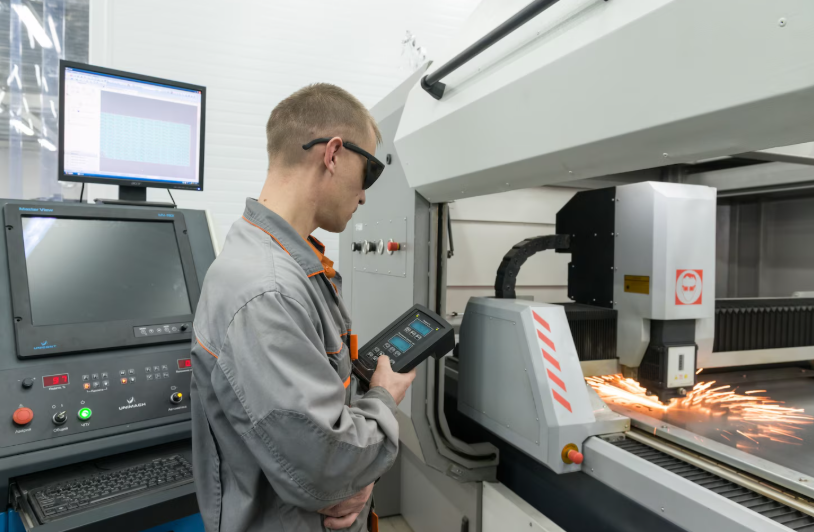
In practical CNC installations, PlasmaDiv acts as a protective interface between the plasma power supply and the control system. Without a dedicated voltage divider, sensitive electronics such as motion controllers, height controllers, or sensing modules could be exposed to potentially damaging electrical conditions. By isolating and scaling the signal, PlasmaDiv protects these components while ensuring reliable voltage feedback.
Another advantage of PlasmaDiv is improved signal stability. Plasma cutting generates intense electromagnetic interference, particularly during arc ignition. High-quality CNC plasma electronics must maintain stable signal integrity despite these conditions. PlasmaDiv is engineered to provide consistent voltage output, enabling accurate height regulation and preventing erratic Z-axis movement caused by noisy feedback signals.
For machine builders, integrators, and retrofit projects, PlasmaDiv simplifies system integration. Instead of designing custom voltage conditioning circuits, users can rely on a dedicated module engineered specifically for plasma environments. This reduces installation complexity and improves overall system reliability.
Ultimately, PlasmaDiv is not merely an accessory but a foundational element within CNC plasma electronics. By converting high-voltage arc signals into a clean, manageable form, it enables torch height control systems to function safely and effectively. For anyone seeking dependable plasma cutting performance, incorporating PlasmaDiv into the control architecture represents a practical and professional solution.
What Are CNC Plasma Electronics and Why Do They Determine System Performance?
CNC plasma electronics refer to the collection of electronic control components that govern motion, sensing, signal conditioning, and process control within a CNC plasma cutting machine. While the cutting arc provides the energy required to separate material, it is CNC plasma electronics that ensure the arc is applied with precision, stability, and repeatability. Without a well-designed electronic control architecture, even high-quality mechanical structures and plasma power supplies cannot deliver consistent cutting results.
At the core of CNC plasma electronics is the motion control system. This includes the controller responsible for generating step or servo signals that drive the machine’s axes. Accurate synchronization of these signals ensures that the torch follows programmed cutting paths with precision. Any instability in motion control can lead to dimensional inaccuracies, poor edge quality, or excessive thermal distortion.
Another essential function of CNC plasma electronics is signal conditioning and feedback processing. Plasma cutting generates high-voltage electrical signals and electromagnetic interference. Dedicated modules are required to convert arc voltage into usable feedback for torch height control systems. By conditioning these signals properly, CNC plasma electronics allow the machine to adapt dynamically to changes in material surface height during cutting.
Safety and equipment protection are also embedded within CNC plasma electronics. Properly designed systems isolate sensitive control components from high-voltage plasma circuits, protecting controllers, sensors, and communication interfaces from electrical damage. Isolation circuits, voltage dividers, and filtering modules form part of the electronic infrastructure that maintains system reliability under demanding operating conditions.
For machine builders and industrial users, investing in professional-grade CNC plasma electronics directly influences long-term productivity. Reliable electronics reduce downtime, minimize erratic machine behavior, and extend the lifespan of both cutting consumables and control components. Furthermore, well-designed control electronics simplify troubleshooting and system expansion.
In modern plasma cutting environments, CNC plasma electronics form the operational backbone of the machine. They coordinate motion, interpret electrical feedback, and protect critical components from harsh electrical conditions. Selecting high-quality electronic modules is therefore not simply a technical preference but a practical requirement for achieving stable and efficient plasma cutting performance.
What Is PlasmaSensCompact and Why Is It a Smart Choice for Plasma Systems?
PlasmaSensCompact is a specialized sensing module designed to monitor arc voltage in CNC plasma cutting systems and deliver a stable, conditioned signal for torch height control and monitoring electronics. In plasma cutting, accurate arc voltage feedback is essential for maintaining the correct torch-to-material distance. PlasmaSensCompact performs this task while minimizing installation complexity and protecting sensitive control components from the harsh electrical environment of plasma equipment.
The core function of PlasmaSensCompact is signal acquisition and conditioning. During plasma cutting, the arc voltage fluctuates depending on the stand-off distance between the torch and the workpiece. PlasmaSensCompact measures this voltage and converts it into a clean, scaled output suitable for integration with CNC plasma electronics or torch height control units. By stabilizing this signal, the module allows the control system to make precise Z-axis adjustments while cutting.
One of the key advantages of PlasmaSensCompact is its compact design. Many plasma systems require multiple electronic modules, wiring interfaces, and protective circuits. PlasmaSensCompact integrates essential sensing functionality into a small, efficient unit that simplifies electrical cabinet layout and reduces wiring complexity. This makes PlasmaSensCompact particularly valuable for machine retrofits, compact plasma tables, and new system builds where space and clarity of wiring are important.
Electrical protection is another major benefit of PlasmaSensCompact. Plasma arcs generate high voltage levels and significant electromagnetic interference. PlasmaSensCompact includes filtering and isolation features that shield motion controllers and control electronics from these electrical disturbances. By ensuring that only a stable and scaled signal reaches the control system, PlasmaSensCompact improves both reliability and measurement accuracy.
For machine integrators and CNC system builders, PlasmaSensCompact provides a practical solution that eliminates the need for custom voltage sensing circuits. Instead of designing complex signal conditioning hardware, users can integrate PlasmaSensCompact directly into their CNC plasma electronics architecture. This reduces engineering effort while improving operational stability.
In modern CNC plasma installations, PlasmaSensCompact represents a compact and reliable sensing solution that supports accurate torch height control and consistent cutting performance. Its combination of signal conditioning, electrical protection, and simplified integration makes it a valuable component for anyone building or upgrading a professional plasma cutting system.
What Are Measurement Instruments and Why Are They Important in CNC Plasma Systems?
Measurement instruments are specialized devices used to monitor, verify, and calibrate electrical and physical parameters within CNC plasma cutting systems. In environments where high voltage, electrical noise, and dynamic motion interact simultaneously, precise measurement becomes essential for ensuring that every component operates within the correct range. Reliable measurement instruments allow technicians, machine builders, and maintenance engineers to confirm system performance and diagnose potential issues before they affect cutting quality.
Within CNC plasma electronics, measurement instruments are commonly used to verify arc voltage, signal conditioning outputs, power supply levels, and grounding integrity. Plasma cutting relies heavily on arc voltage feedback to regulate torch height. If this voltage is incorrectly measured or interpreted, the machine may maintain an improper stand-off distance, resulting in poor cut quality or excessive consumable wear. Measurement instruments provide a reliable method to validate that sensing modules and voltage dividers are delivering accurate signals to the control system.
Measurement instruments are also critical during machine installation and commissioning. When integrating modules such as voltage dividers, sensing circuits, and height control systems, technicians must confirm that signals are scaled correctly and remain stable under operating conditions. Professional measurement instruments allow these checks to be performed safely and with sufficient precision to guarantee proper system behavior.
Beyond installation, measurement instruments support long-term maintenance and troubleshooting. Plasma cutting environments expose electronics to electrical interference, vibration, and thermal stress. Over time, signal levels or wiring conditions may change. With the proper measurement instruments, operators can identify anomalies in voltage levels, signal noise, or grounding faults before they lead to machine downtime or inconsistent cutting results.
For businesses investing in professional CNC plasma electronics, measurement instruments are not optional accessories but essential tools for quality assurance. They provide the visibility required to confirm that every signal path, sensor output, and electrical parameter meets the expected specification.
Conclusion
Modern plasma cutting systems depend on precise electronic integration to deliver reliable performance. PlasmaDiv provides safe and stable voltage division, allowing arc voltage to be used effectively within control systems. High-quality CNC plasma electronics coordinate motion, signal conditioning, and system protection to ensure stable machine operation. PlasmaSensCompact offers a compact and reliable sensing solution that converts arc voltage into a usable feedback signal for height control and monitoring. Complementing these components, professional measurement instruments allow technicians to verify electrical conditions and maintain system accuracy over time.
Together, these technologies form the foundation of a dependable CNC plasma control architecture. Proper signal conditioning protects control electronics, accurate sensing enables adaptive height regulation, and reliable measurement ensures that the system continues to operate within specification. For machine builders, integrators, and industrial users seeking stable plasma cutting performance, investing in professional electronic modules and measurement tools represents a practical step toward greater productivity and reliability.