
In the world of computer numerical control (CNC) machining, precision, reliability, and ease of use are paramount. Whether you’re a hobbyist building a custom CNC router or an industrial professional optimizing a high-speed milling machine, understanding the core components of your system is crucial. Among these components, the CNC controller, motor drivers, wiring, and connectors play pivotal roles in ensuring smooth and accurate operations.
This comprehensive guide dives deep into four essential topics: the PoKeys57CNCpro4x25 interface board, the advantages of using an all-in-one CNC controller with drivers, best practices for CNC wiring, and the critical role of a stepper motor connector in maintaining stable motor performance. Each of these elements contributes to the overall efficiency and precision of a CNC system, and mastering their functions can significantly enhance your machining experience.
By exploring these topics in detail, this article aims to provide both beginners and experienced users with valuable insights into optimizing their CNC setups. From selecting the right hardware to ensuring proper electrical connections, we’ll cover everything you need to know to build, troubleshoot, and refine your CNC machine for peak performance. Let’s begin by examining the PoKeys57CNCpro4x25 and its role in modern CNC systems.
What Is the PoKeys57CNCpro4x25 and How Does It Enhance CNC Systems?
The PoKeys57CNCpro4x25 is a versatile interface board designed to streamline and enhance CNC machine operations. Acting as a bridge between software commands and physical machine movements, this compact yet powerful device plays a critical role in modern CNC setups. But what exactly makes the PoKeys57CNCpro4x25 stand out, and how does it improve CNC performance?
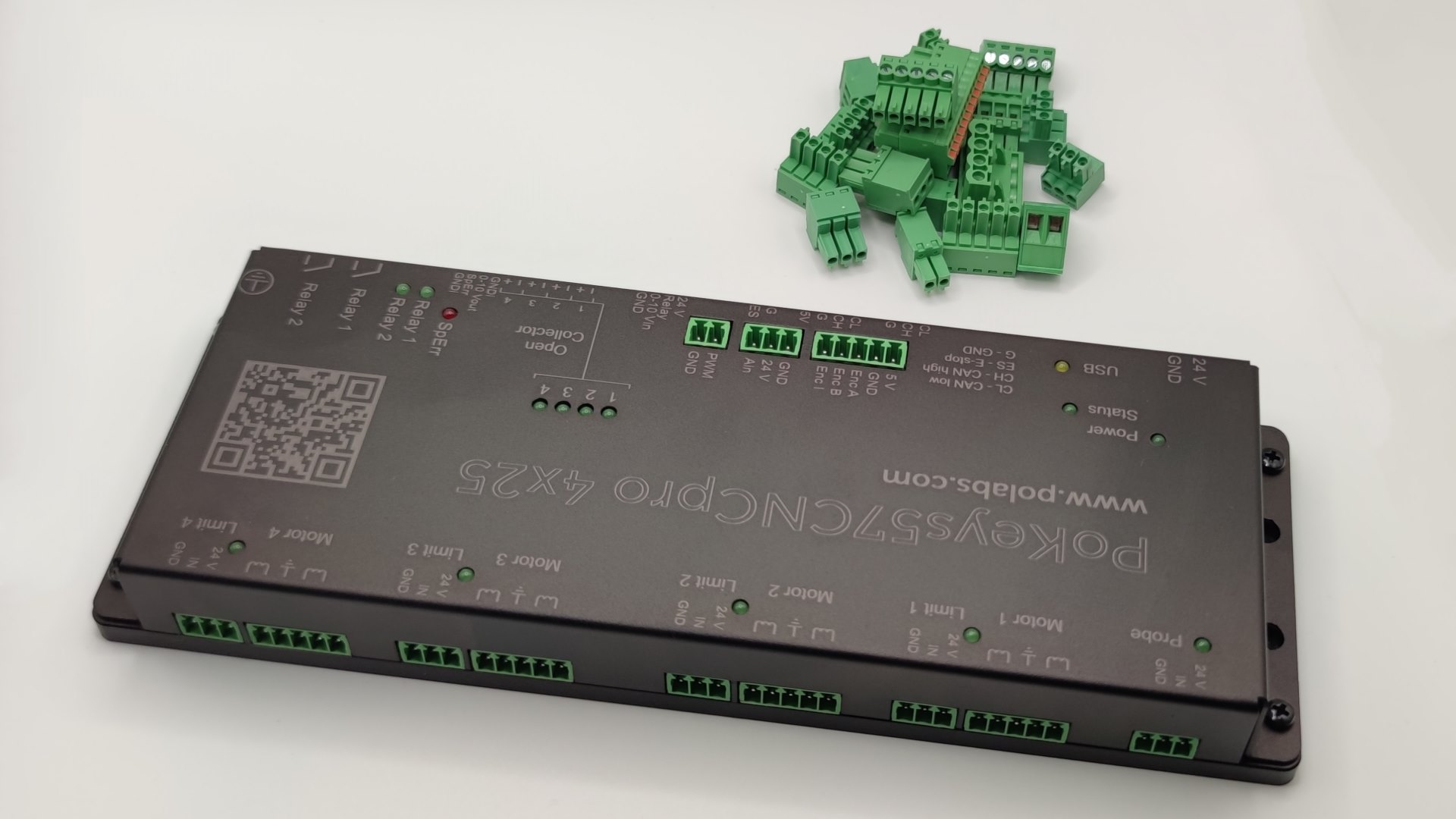
At its core, the PoKeys57CNCpro4x25 is a multifunctional board that integrates programmable logic, encoder inputs, and digital I/O capabilities. Unlike basic breakout boards, it offers advanced features such as step/direction signal generation, spindle control, and real-time feedback through encoder inputs. This makes it particularly useful for CNC applications where precision timing and signal stability are crucial. One of its key advantages is its ability to reduce reliance on a computer’s processing power by handling critical motion control tasks independently.
Another significant benefit of the PoKeys57CNCpro4x25 is its compatibility with various CNC software, including Mach3, Mach4, and LinuxCNC. This flexibility allows users to integrate it seamlessly into both hobbyist and industrial CNC systems. Additionally, its built-in programmable logic enables custom automation, such as tool-changing sequences or safety interlocks, without requiring external controllers. The board also supports multiple communication protocols, including USB and Ethernet, ensuring reliable data transfer between the computer and the CNC machine.
For users looking to expand their system’s capabilities, the PoKeys57CNCpro4x25 provides ample I/O options, including digital inputs and outputs, PWM signals for spindle speed control, and analog inputs for sensor feedback. This makes it an excellent choice for advanced CNC applications that require precise control over auxiliary functions. Furthermore, its robust design ensures stable operation even in electrically noisy environments, reducing the risk of signal interference that could lead to missed steps or erratic machine behavior.
In summary, the PoKeys57CNCpro4x25 is a powerful and adaptable interface board that enhances CNC systems by improving signal integrity, reducing computer overhead, and enabling advanced automation. Whether you’re building a DIY CNC router or upgrading an industrial machine, integrating this board can significantly boost performance, accuracy, and reliability. Next, we’ll explore another critical component in CNC systems: the CNC controller with drivers and why it’s a game-changer for motion control.
Why Choose a CNC Controller with Integrated Drivers for Your Machine?
When building or upgrading a CNC system, one of the most critical decisions is selecting the right motion control solution. A CNC controller with drivers combines the functionality of a motion control board and motor drivers into a single, streamlined unit. But what advantages does this integration offer, and how does it simplify CNC machine operation?
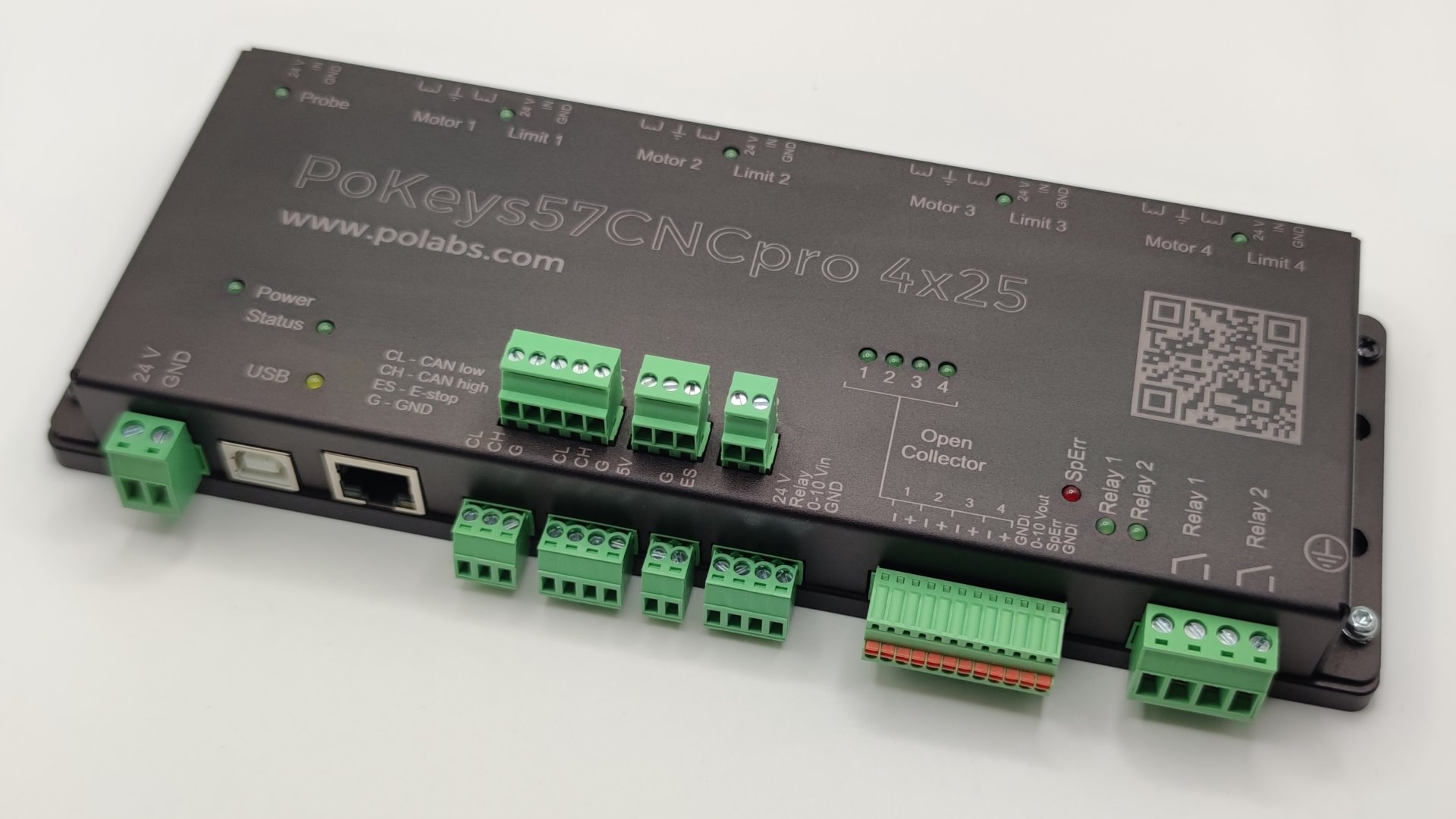
Traditionally, CNC systems relied on separate components—a breakout board, external stepper or servo drivers, and additional circuitry for signal processing. While this modular approach offers flexibility, it also introduces complexity in wiring, signal synchronization, and troubleshooting. A CNC controller with drivers eliminates these challenges by integrating all essential components into a single device. This consolidation reduces wiring clutter, minimizes signal interference, and ensures better communication between the controller and motors.
One of the primary benefits of using a CNC controller with drivers is improved motion control precision. Since the driver circuitry is directly connected to the control logic, step pulses are transmitted with minimal latency, reducing the risk of missed steps or positional errors. This is particularly important in high-speed machining applications where timing is critical. Additionally, many integrated controllers feature advanced microstepping capabilities, allowing for smoother motor operation and finer resolution in movements.
Another advantage is simplified setup and configuration. With a standalone CNC controller with drivers, users no longer need to manually match driver settings with control signals, as the system is pre-optimized for compatibility. Many models also include built-in protection features such as overcurrent detection, thermal shutdown, and short-circuit prevention, enhancing both safety and reliability. Some advanced units even support closed-loop feedback systems, automatically compensating for motor slippage and ensuring consistent accuracy.
Power efficiency is another key consideration. Integrated controllers often use optimized power delivery systems, reducing energy waste compared to setups with multiple discrete components. This not only lowers operating costs but also decreases heat generation, prolonging the lifespan of both the controller and motors. Furthermore, compact all-in-one designs save valuable space in control cabinets, making them ideal for benchtop CNC machines or systems with limited installation room.
For hobbyists and professionals alike, a CNC controller with drivers provides a plug-and-play solution that reduces assembly time and potential wiring mistakes. Many models support popular CNC software, allowing for seamless integration without extensive firmware tweaking. Whether you’re constructing a small DIY router or maintaining an industrial-grade milling machine, an integrated controller-driver unit offers a reliable, high-performance solution that simplifies operation while enhancing precision.
How Does Proper CNC Wiring Impact Machine Performance and Safety?
The backbone of any reliable CNC system lies not just in its mechanical components or software, but in the often-overlooked network of connections that bring everything together. CNC wiring forms the critical nervous system of your machine, transmitting power, signals, and data between controllers, drivers, motors, and peripherals. But what separates adequate wiring from optimal wiring, and why does it make such a dramatic difference in CNC operation?
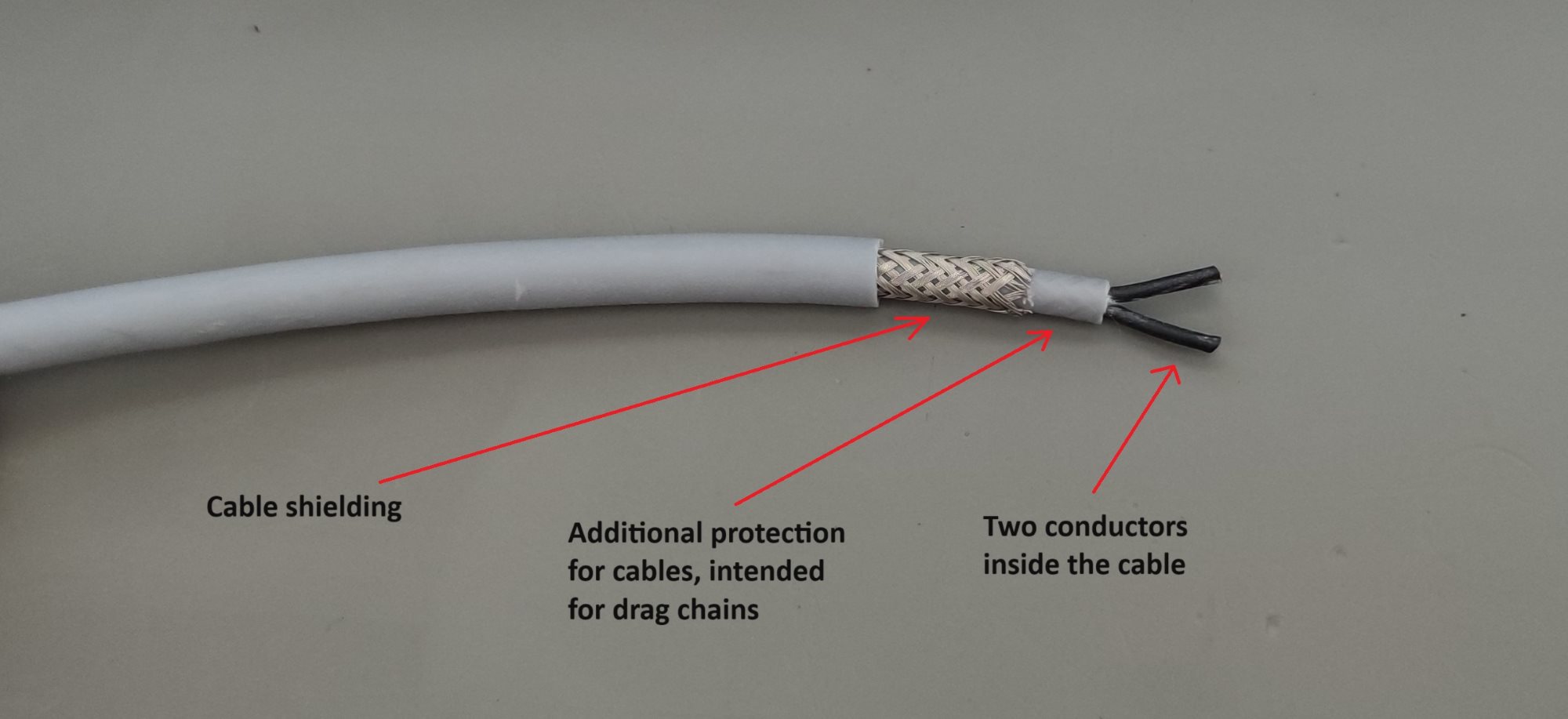
High-quality CNC wiring begins with proper conductor selection. The choice between stranded and solid core wires depends on application requirements – while solid cores maintain shape in stationary control cabinets, stranded wires offer superior flexibility and vibration resistance for moving cable carriers. Shielding becomes equally crucial, as CNC environments generate significant electromagnetic interference from spindle motors, switching power supplies, and high-frequency signals. Properly shielded cables with grounded drain wires prevent signal degradation that could lead to missed steps, erratic movements, or false sensor triggers.
Current capacity represents another vital consideration in CNC wiring design. Undersized wires carrying stepper or servo motor currents will overheat, causing voltage drops that sap motor torque and potentially create fire hazards. The inverse problem – using excessively thick wires – creates unnecessary stiffness in cable tracks and complicates termination. Smart wiring practices include calculating expected current loads, accounting for duty cycles, and leaving appropriate safety margins while maintaining practical cable management. This balance ensures efficient power delivery without compromising the mechanical flexibility needed in dynamic CNC systems.
Signal integrity in CNC wiring demands special attention to routing strategies. Critical low-voltage control signals should never run parallel to high-current power lines, as inductive coupling can introduce noise. When crossings are unavoidable, they should occur at right angles to minimize interference. Implementing twisted pair wiring for differential signals (like encoder feedback) further enhances noise immunity. Many CNC technicians adopt color-coding standards for quick identification – red for power, black for ground, blue for signals – though consistent implementation matters more than specific color choices.
Termination quality often makes the difference between reliable operation and intermittent faults in CNC wiring. Crimped connections with proper ferrules outperform simple twisted wire ends in screw terminals, especially in vibration-prone environments. Soldered joints, while electrically sound, may fail under mechanical stress unless properly strain-relieved. Modern solutions like IDC connectors and modular terminal blocks accelerate installation while maintaining connection integrity, though they require matching cable types and careful insertion.
The long-term maintenance aspect of CNC wiring shouldn’t be overlooked. Well-designed wiring includes service loops for future modifications, clear labeling at both ends of each run, and documentation that survives personnel changes. Cable management systems – including drag chains, flexible conduits, and strain relief clamps – protect wires from repetitive motion damage. Periodic inspections should check for insulation wear, terminal corrosion, and any signs of overheating, particularly at connection points.
Ultimately, investing time in proper CNC wiring pays dividends through reduced downtime, improved machining accuracy, and enhanced operational safety. While the components may remain hidden behind panels and covers, their quality and installation directly translate to visible performance at the cutting tool. Next, we’ll examine the final critical link in the motion chain – the stepper motor connector and its role in maintaining system reliability.
What Role Does the Stepper Motor Connector Play in CNC System Reliability?
The stepper motor connector may seem like a small component in a CNC system, but its importance cannot be overstated. Acting as the critical interface between motor drivers and stepper motors, these connectors ensure stable power delivery and signal transmission while withstanding the mechanical stresses of continuous operation. But what specific factors make a high-quality stepper motor connector essential for CNC performance, and how does it contribute to overall system reliability?
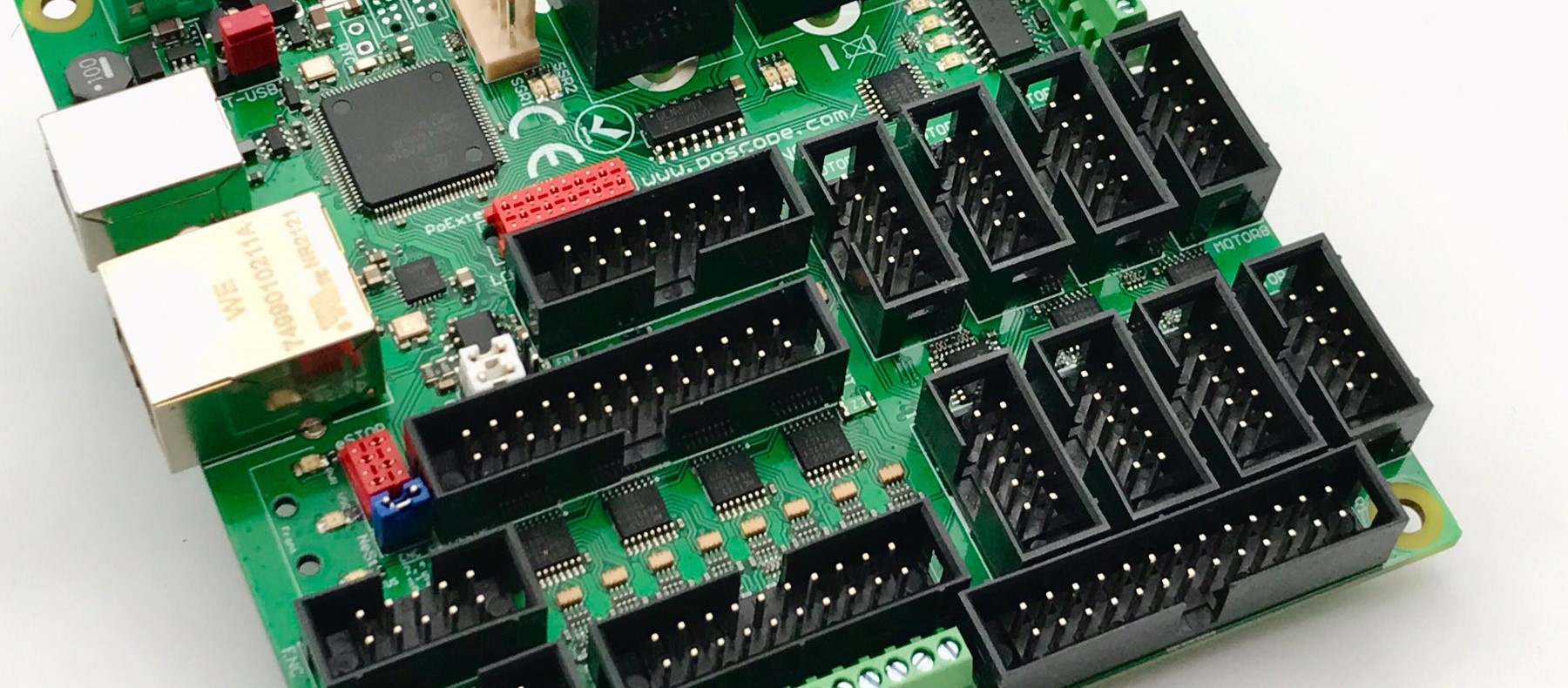
First and foremost, a proper stepper motor connector must maintain consistent electrical contact under varying conditions. Stepper motors draw significant current, especially during rapid acceleration or high-torque operations, which generates heat at the connection points. Poor-quality connectors with insufficient contact area or inferior materials can develop increased resistance over time, leading to voltage drops, overheating, and even motor stalling. High-grade connectors use materials like gold-plated contacts or phosphor bronze terminals to ensure low-resistance connections that remain stable through thousands of mating cycles.
Mechanical durability is another crucial aspect of stepper motor connector selection. CNC machines subject wiring to constant vibration, cable flexing, and occasional mechanical shocks. Connectors must withstand these stresses without developing intermittent connections that could cause lost steps or erratic motor behavior. Key features like locking mechanisms (threaded couplings, latch systems, or screw terminals) prevent accidental disconnection, while strain relief provisions protect the terminations from wire fatigue. Industrial-grade connectors often meet IP ratings for dust and moisture resistance, an important consideration in harsh machining environments.
The stepper motor connector also plays a vital role in system maintainability and troubleshooting. Well-designed connectors allow for quick motor replacement or reconfiguration without requiring soldering or specialized tools. This becomes particularly valuable during maintenance procedures or when upgrading components. Color-coded or keyed connector systems prevent incorrect mating, reducing the risk of reversed phases that could damage motors or drivers. Some advanced connector designs even incorporate diagnostic features like test points or status LEDs for easier fault isolation.
Signal integrity preservation is another critical function of the stepper motor connector. As stepper motors operate with precise pulse timing, any signal degradation at the connector interface can translate directly into positioning errors. Shielded connector variants help contain electromagnetic interference, while proper pinout arrangements minimize crosstalk between adjacent conductors. In high-performance systems, connectors specifically designed for differential signaling (such as those used with encoder feedback) maintain signal quality across the entire motion control chain.
Looking beyond basic electrical and mechanical requirements, the stepper motor connector impacts overall system organization. Neat, standardized connections contribute to cleaner cable management, improving airflow in enclosures and making visual inspections more effective. Modular connector systems allow for pre-assembled cable harnesses that reduce installation time and potential wiring errors. Some CNC builders opt for connectors with higher pin counts than immediately necessary, providing expansion capacity for future upgrades like additional motor phases or integrated sensors.
In summary, the humble stepper motor connector serves as a linchpin in CNC reliability, affecting everything from power delivery to maintenance efficiency. By selecting connectors matched to the electrical, mechanical, and environmental demands of the application, system builders can prevent a host of potential issues before they occur. This attention to connection quality completes the chain of precision that begins with the controller and carries through to the final motor movement.
As we conclude our examination of CNC system components, let’s review how all these elements—from the PoKeys57CNCpro4x25 interface to proper CNC wiring and robust stepper motor connectors—work together to create high-performance machining systems.
Precision in Motion: How Integrated CNC Components Create Superior Performance
The journey through CNC system components reveals an important truth: every element, from the PoKeys57CNCpro4x25 interface to the stepper motor connector, plays a vital role in transforming digital designs into physical precision. What begins as a software command must travel through controllers, across properly routed wiring, and into motors through reliable connections—each step maintaining signal integrity and power delivery. This interconnected chain of components demonstrates why attention to detail at every stage separates adequate CNC performance from exceptional results.
The PoKeys57CNCpro4x25 exemplifies modern CNC efficiency by combining multiple functions into a single intelligent interface. Its ability to handle motion control tasks independently relieves the host computer while providing flexible I/O options for system expansion. Similarly, choosing a CNC controller with drivers simplifies installation while improving synchronization between motion commands and motor responses. These integrated solutions prove that thoughtful engineering can reduce complexity without sacrificing capability—a principle that carries through to proper CNC wiring practices.
Well-executed CNC wiring serves as the silent workhorse of any machining system. Beyond merely connecting components, carefully planned cable routing and termination prevent the subtle gremlins of noise interference and voltage drop that quietly degrade accuracy. When paired with robust stepper motor connectors, these wiring practices ensure that every pulse from the controller translates faithfully into mechanical motion. The connector’s role may seem minor until considering how many CNC faults originate from intermittent connections or degraded contacts at this critical junction.
For CNC operators and builders, this comprehensive view underscores the importance of viewing the system holistically. Upgrading one component while neglecting others often yields disappointing results—a high-resolution stepper motor cannot perform to potential if let down by noisy wiring or an underpowered controller. Likewise, even the most sophisticated motion control board cannot compensate for poor connections at the motor interface. The synergy between these elements creates what engineers call the “weakest link principle”—system performance ultimately depends on the least reliable component in the chain.
As CNC technology continues advancing, these fundamental principles remain relevant whether working with hobbyist machines or industrial equipment. The next generation of smart controllers and networked systems may change how components communicate, but the need for clean power delivery, noise-free signaling, and robust mechanical connections will persist. By understanding and applying the concepts explored here—from the versatility of the PoKeys57CNCpro4x25 to the critical role of stepper motor connectors—builders and operators can create CNC systems that deliver both precision today and adaptability for tomorrow’s challenges.
In the world of CNC machining, excellence emerges not from any single spectacular component, but from the careful integration of many well-chosen parts working in concert. When each element performs its role effectively, the entire system achieves that magical state where the machine disappears from consciousness, leaving only the flawless execution of the designer’s intent in metal, wood, or composite materials. That is the ultimate goal—and reward—of thoughtful CNC system design and implementation.