
Plasma cutting technology has revolutionized metal fabrication, offering precision, speed, and versatility that traditional cutting methods often struggle to match. Among the most popular setups for both hobbyists and professional fabricators are CNC plasma systems, which rely on carefully calibrated equipment to achieve clean, consistent cuts. For anyone venturing into the world of plasma cutting, understanding the intricacies of a Mach3 plasma setup, the advantages of a THC plasma cutter, and the role of advanced height control systems like PlasmaSens is essential.
These components work in harmony to ensure accuracy, efficiency, and safety in metalworking projects. In this article, we will explore each of these topics in detail, answering key questions that fabricators commonly face. From the initial configuration of a Mach3 plasma setup to optimizing a THC plasma cutter, and finally to integrating PlasmaSens for automatic torch height adjustments, this guide provides practical insights and tips for achieving professional results.
What is a Mach3 plasma setup, and how do you properly configure it for optimal performance?
A Mach3 plasma setup is a popular choice for CNC enthusiasts and professional metal fabricators who want precise control over their plasma cutting operations. Mach3 is a versatile software platform that converts a standard PC into a fully functional CNC controller. When paired with a plasma cutter, it allows the operator to control the movement of the torch along multiple axes with remarkable accuracy. The Mach3 plasma setup involves both hardware and software components, and achieving an optimal configuration requires a careful balance between them.
The first step in establishing a Mach3 plasma setup is selecting the right hardware. This typically includes a CNC control board compatible with Mach3, stepper or servo motors, drivers, and the plasma cutter itself. The quality of these components directly influences the accuracy and reliability of the setup. Equally important is wiring, as proper connections ensure smooth communication between the computer, the control board, and the plasma cutter. Once the hardware is in place, Mach3 software needs to be installed and configured. This includes setting motor parameters such as steps per unit, acceleration, and velocity. These settings are crucial for achieving clean cuts, especially when working with thin or intricate metal pieces.
Another essential element in a Mach3 plasma setup is configuring the input and output signals for the plasma cutter. Mach3 allows the user to map specific functions, such as torch on/off, arc start, and fault signals, which are essential for integrating the cutter’s operation with CNC movements. Without proper configuration, the plasma cutter might fire at the wrong time or fail to respond to commands, resulting in wasted material and inconsistent cuts. Testing and calibrating these signals is a critical part of the setup process.
Furthermore, a Mach3 plasma setup often benefits from additional features like THC (Torch Height Control) integration. By combining Mach3 with a THC plasma cutter, operators can maintain a consistent distance between the torch and the workpiece, resulting in smoother edges and longer consumable life. Mach3 supports a variety of THC interfaces, allowing real-time adjustments that respond to the contours and surface variations of the metal. Many users also integrate systems like PlasmaSens, which further automates height control and reduces the risk of human error.
Overall, a Mach3 plasma setup is not just about connecting hardware and installing software; it’s about understanding how each component interacts to produce precise, reliable results. From motor tuning to signal mapping and height control integration, careful attention to detail ensures that the plasma cutter performs at its best.
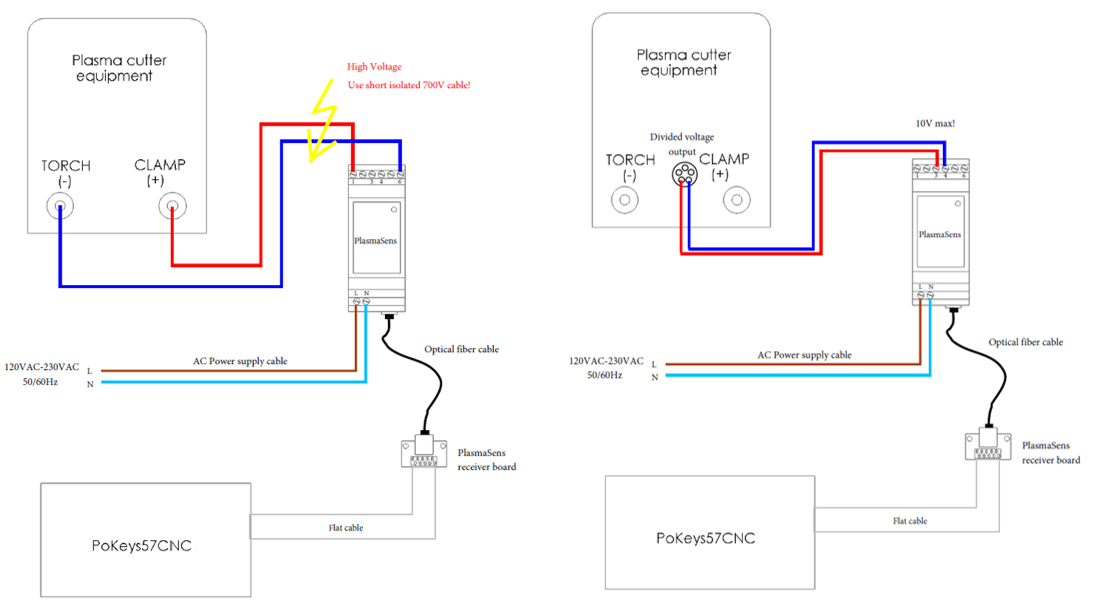
Whether you are a hobbyist looking to improve your cutting quality or a professional aiming for consistent industrial results, mastering the Mach3 plasma setup lays the foundation for successful CNC plasma cutting projects. Repeating the setup process carefully and verifying each connection can save countless hours of troubleshooting and material waste, making it an indispensable skill for anyone serious about plasma cutting.
What is a THC plasma cutter, and why is it essential for precision cutting?
A THC plasma cutter, or Torch Height Control plasma cutter, is a specialized tool designed to maintain the optimal distance between the plasma torch and the workpiece during cutting operations. This distance is critical because it directly affects cut quality, consumable life, and overall efficiency. Unlike traditional plasma cutters, which rely on the operator to manually adjust torch height, a THC plasma cutter automatically senses variations in the material surface and adjusts the torch height in real time. This capability ensures that the arc remains stable, producing clean, accurate cuts even on uneven or warped metal surfaces.
The operation of a THC plasma cutter relies on a combination of sensors, controllers, and feedback systems. As the torch moves along the programmed path, the THC system constantly monitors the arc voltage or other feedback signals, which indicate the distance between the torch and the metal. When the sensor detects that the torch is too high or too low, the controller adjusts the Z-axis movement, bringing the torch back to the ideal cutting height. This automatic adjustment is particularly valuable when working with thicker materials or projects that require intricate patterns. Without a THC plasma cutter, even minor deviations in height can lead to dross formation, rough edges, and uneven kerf widths.
Integrating a THC plasma cutter with a CNC system, such as a Mach3 plasma setup, further enhances precision and reliability. The CNC software communicates with the THC controller to coordinate torch movement and height adjustments, allowing for smooth, consistent cuts throughout the entire operation. Many fabricators also find that a THC plasma cutter reduces consumable wear because maintaining the correct torch height minimizes arc instability and excessive heat on the torch tip. This translates into cost savings and less frequent maintenance downtime.
Modern THC plasma cutters can be standalone devices or part of a more advanced system that includes features like plasma voltage sensing, height memory settings, and automatic pierce detection. Some systems are even compatible with height control solutions like PlasmaSens, which provide additional feedback and refinement for more demanding cutting tasks. By combining a THC plasma cutter with these advanced technologies, operators can achieve levels of accuracy and repeatability that were once difficult to attain with manual setups.
In summary, a THC plasma cutter is a critical component for anyone seeking precision and efficiency in CNC plasma cutting. By automatically regulating torch height, it ensures consistent cut quality, reduces consumable wear, and enables complex cuts on irregular surfaces. When paired with a Mach3 plasma setup or integrated with systems like PlasmaSens, a THC plasma cutter becomes part of a highly efficient, automated workflow, transforming the way fabricators approach metal cutting. Mastery of this tool not only improves the final product but also significantly streamlines the cutting process, making it an indispensable addition to modern plasma cutting operations.
What is PlasmaSens, and how does it improve plasma cutting performance?
PlasmaSens is an advanced torch height control system designed to enhance precision and consistency in CNC plasma cutting. Unlike basic THC systems that rely solely on voltage sensing, PlasmaSens uses a combination of sensors and intelligent algorithms to maintain the ideal torch height, even in challenging cutting conditions. This technology is particularly valuable for professional fabricators and hobbyists who demand high-quality cuts across a variety of metal thicknesses and surface conditions. By integrating PlasmaSens with a Mach3 plasma setup or a THC plasma cutter, operators can achieve superior results with minimal manual adjustment.
At its core, PlasmaSens continuously monitors the distance between the plasma torch and the workpiece. As the torch moves along a cut path, the system detects fluctuations in material height, surface irregularities, and arc voltage changes. It then automatically adjusts the Z-axis to maintain the optimal distance, ensuring a stable arc and consistent cut quality. This real-time adjustment is crucial because even small deviations in torch height can lead to dross, uneven kerf, or excessive wear on consumables. PlasmaSens eliminates these issues by keeping the torch at the correct height throughout the cutting process.
Another advantage of PlasmaSens is its compatibility with a wide range of CNC systems and plasma cutters. When paired with a Mach3 plasma setup, PlasmaSens integrates seamlessly, allowing the CNC software to communicate directly with the height control system. This coordination enables precise control over torch movement and cutting parameters, making complex cuts more reliable and repeatable. Similarly, PlasmaSens works well with THC plasma cutters, complementing the existing height control mechanisms by providing additional accuracy and responsiveness. For operators seeking a fully automated cutting solution, PlasmaSens can significantly reduce the need for manual monitoring, saving time and improving overall workflow efficiency.
Beyond height control, PlasmaSens offers enhanced safety and material protection. By preventing the torch from plunging too close to the workpiece, it reduces the risk of damaging both the metal and the consumables. Many users also report improved edge quality and cleaner cuts when using PlasmaSens, even on warped or uneven metal sheets. The system’s intelligent response to changing cutting conditions helps maintain a steady arc, which is especially beneficial for thin metals or projects requiring tight tolerances.
In practical terms, integrating PlasmaSens into a plasma cutting setup transforms the user experience. Operators spend less time making manual adjustments and more time focusing on design and production. The system’s precision and consistency reduce material waste and extend consumable life, which translates into cost savings over time. By combining PlasmaSens with a Mach3 plasma setup or a THC plasma cutter, fabricators gain a powerful tool that elevates the quality and efficiency of their work. In essence, PlasmaSens represents the next step in plasma cutting technology, providing intelligent, automated height control that makes every cut smoother, cleaner, and more predictable.
The Anatomy of a Reliable CNC Machine: Controllers, Wiring, and Connectors Explained
From Setup to Safety: A Practical Guide to PoKeys57CNC and Mach3 for CNC Machines
Conclusion
Plasma cutting technology has come a long way, and understanding the key components of a modern setup is essential for achieving professional results. A Mach3 plasma setup provides the foundation, offering precise control over torch movement and CNC coordination. When paired with a THC plasma cutter, operators gain the ability to maintain consistent torch height automatically, which significantly improves cut quality and reduces consumable wear. Adding an advanced system like PlasmaSens further elevates performance by providing intelligent, real-time adjustments that respond to surface variations and arc fluctuations, ensuring smoother, cleaner cuts across a wide range of materials.
By mastering the integration of these technologies, fabricators can achieve unparalleled accuracy, efficiency, and reliability in their plasma cutting operations. Each component—Mach3 plasma setup, THC plasma cutter, and PlasmaSens—plays a distinct role, but together they form a cohesive system that streamlines workflow and reduces the likelihood of errors. Whether you are tackling intricate metal designs, thick steel plates, or everyday cutting tasks, understanding how to leverage these tools can transform both the quality of your work and the efficiency of your process.
Ultimately, investing time in setting up a Mach3 plasma system, utilizing a THC plasma cutter, and integrating PlasmaSens is an investment in precision, consistency, and long-term productivity. With the right setup and careful attention to detail, plasma cutting becomes not just a task, but a reliable, high-quality craft that consistently delivers professional results.